Choosing hair care products is no longer a simple shelf decision. Consumers compare ingredient lists, product claims, packaging, price, and visible results. They may notice a dry scalp after washing, frizz during humid mornings, or breakage around a tight ponytail. These details reveal what consumers look for in hair care products: safety, performance, suitability, and honest communication.
Dermatologist Dr. Hadley King explains, “The most important thing is to use products that are appropriate for your hair type and scalp.” Her point supports a practical approach. A shampoo should match scalp needs, while a conditioner should support the hair’s texture and damage level. Consumers also expect evidence behind claims such as “repair,” “hydrating,” or “color-safe.” Clear testing information can build trust. Vague promises usually create doubt.
Experience matters here. A product may feel luxurious in a bathroom but disappoint after repeated use. A lightweight cream might control curls without leaving a heavy film. A gentle cleanser might reduce dryness, yet require more frequent washing. There is no universal winner. Even expert recommendations need context. Hair porosity, styling habits, climate, and chemical treatments can change the result. Some consumers also prefer vegan, fragrance-free, refillable, or responsibly sourced options. Those preferences are important, but they should not replace performance and scalp comfort. This guide examines real buying signals, useful product evidence, and common marketing weaknesses. It also questions an uncomfortable assumption: more ingredients do not always mean better care.
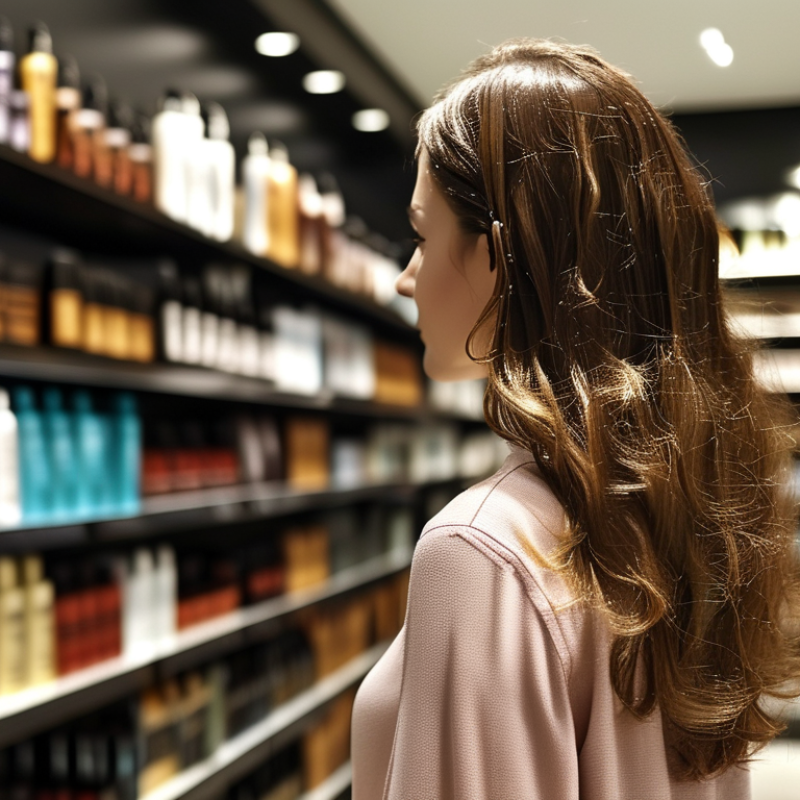
Understanding consumer hair care needs starts with real routines, not attractive packaging. A shopper with oily roots may wash daily, while someone with dry curls may wash twice weekly. These habits change product expectations. Consumers often want clean-feeling hair without tightness, flakes, or heavy residue. They also notice practical details, such as pump size, fragrance strength, and how quickly a conditioner rinses away.
Hair and scalp needs differ with climate, age, styling, and water quality. Humid weather can increase frizz, while hard water may leave hair dull and rough. A useful product should explain its purpose clearly and support informed choices. Ingredient education matters, but complicated claims can confuse people. In professional consultations, asking about breakage, scalp discomfort, heat styling, and wash frequency often reveals more than a quick visual assessment. Small details matter.
Consumers also expect honesty. If a formula improves softness but cannot repair permanently damaged fibers, the description should say so. Patch testing and careful use remain sensible, especially for sensitive scalps. I have found that many people change products too quickly, expecting visible results after one wash. That expectation is understandable, but not always realistic. Some routines need adjustment. Others simply do not suit a person’s texture, budget, or schedule. Product development should leave room for feedback, because even well-researched formulas can perform differently in real bathrooms.
How to Choose Hair Care Products Consumers Want?
Choosing effective hair care starts with observing real hair, not relying on labels alone. Hair may be straight, wavy, curly, or coily. It can also have mixed patterns across the scalp. Fine strands often become weighed down quickly, while dense curls may need richer moisture. Porosity matters too. A simple water test is only a rough clue, not a diagnosis. Touch, shine, breakage, and drying time provide better everyday evidence.
Hair concerns should be separated from hair types. Common concerns include dryness, oily roots, flakes, frizz, color fading, and breakage. Each problem needs a different response. A dry scalp is not always dandruff. Persistent itching or scaling deserves advice from a qualified dermatologist. Product choices should match usage habits as well. Someone who washes daily may prefer lightweight formulas. A person who heat-styles often needs thermal protection and gentler cleansing. Hard water, outdoor exposure, and tight hairstyles can also change product performance.
Read the ingredient list and follow the stated use. Avoid choosing products only because they promise instant repair. Hair fiber cannot truly heal once severely damaged. It can feel smoother when conditioning agents coat the surface. Patch testing helps identify irritation, although it cannot predict every reaction. Start with a small amount. Observe the hair for two weeks. My checklist is not perfect, because weather and water quality can distort results. Consumers may need to adjust one product at a time, rather than changing an entire routine overnight.
Consumer-oriented product planning framework based on established hair-type classifications, common hair concerns, and practical usage patterns.
| Hair Type | Typical Structure | Common Scalp or Fiber Behavior | Primary Consumer Concerns | Preferred Product Characteristics | Typical Washing Pattern | Usage Habits and Product Opportunities |
|---|---|---|---|---|---|---|
| Type 1A–1C Straight |
Fibers lie relatively flat and reflect light easily; Type 1A is usually the finest, while Type 1C is denser or coarser. | Natural oils can travel down the hair shaft more easily, often creating a visibly oily root area. | Flat roots Oiliness Build-up Lack of volume | Lightweight cleansing, non-heavy conditioning, volumizing textures, and products designed to reduce residue. | Often washed every day to every 3 days, depending on scalp oiliness, activity level, and styling-product use. | Consumers may prefer quick-rinse formulas, light leave-ins, root-refresh products, and simple routines with minimal layering. |
| Type 2A–2C Wavy |
Forms loose to defined “S” patterns; wave definition can vary with humidity, brushing, and product weight. | Roots may become oily while mid-lengths and ends appear drier or more frizz-prone. | Frizz Uneven definition Humidity sensitivity Dry ends | Balanced moisture, lightweight curl or wave definition, flexible hold, and anti-frizz performance without stiffness. | Commonly washed approximately 2–4 times per week, with variation based on scalp condition and exercise frequency. | Consumers often combine shampoo, conditioner, leave-in products, and styling creams or gels; packaging should explain layering order. |
| Type 3A–3C Curly |
Forms visible loops or ringlets; curl diameter and density can differ substantially across the head. | Natural oils have more difficulty moving along the curved fiber, making lengths prone to dryness. | Dryness Frizz Breakage Curl definition | Moisture-rich but manageable formulas, detangling support, curl definition, flexible hold, and reduced friction during styling. | Frequently washed about once or twice weekly, although some consumers cleanse more often after exercise or heavy styling. | Consumers may value co-wash options, deep conditioners, detangling products, curl creams, gels, and instructions for wet styling. |
| Type 4A–4C Coily |
Ranges from tightly defined coils to very tight bends; shrinkage and high density are common characteristics. | The irregular fiber shape and limited oil distribution can increase dryness, tangling, and mechanical stress. | Moisture retention Tangling Breakage Shrinkage | Rich conditioning, slip for detangling, protective moisture layers, gentle cleansing, and formulas that support low-manipulation styling. | Often cleansed approximately every 1–2 weeks, with frequency influenced by protective styles, scalp needs, and personal preference. | Consumers may seek pre-shampoo treatments, masks, leave-ins, creams, oils or serums, protective-style care, and wide-tooth detangling tools. |
| Fine or Low-Density Hair | Individual strands are relatively small in diameter, or the total amount of visible hair is lower. | Can lose volume quickly and may become weighed down by rich conditioners, oils, or heavy styling products. | Flatness Limpness Breakage Scalp visibility | Light textures, targeted conditioning on the ends, weightless volume support, and easy-rinse formulas. | Often washed every 1–3 days, especially when the scalp becomes oily or styling products accumulate. | Clear dosage guidance is important; consumers may prefer sprays, foams, mists, and concentrated products used only where needed. |
| Thick or High-Density Hair | Individual strands may be medium to coarse, or the scalp may have a larger total volume of hair. | Hair can take longer to become fully saturated, cleansed, dried, and conditioned. | Dry lengths Long drying time Uneven application Tangles | High-slip conditioners, rich masks, section-friendly application, concentrated formulas, and products that distribute evenly. | Commonly washed about once or twice weekly, with additional cleansing when sweat, pollution, or styling residue accumulates. | Consumers may value larger pack sizes, pump packaging, section-by-section instructions, and products that shorten detangling time. |
| Color-Treated or Chemically Processed | Hair has been altered by coloring, bleaching, relaxing, perming, or repeated high-heat styling. | The cuticle and internal structure may be more vulnerable to porosity changes, dryness, and mechanical damage. | Fading Porosity Roughness Breakage | Gentle cleansing, conditioning, thermal protection, color-maintenance support, and products designed for damaged or porous fibers. | Many consumers reduce washing frequency to help preserve cosmetic color and moisture, often cleansing 1–3 times weekly. | Routine bundles can include gentle shampoo, conditioner, mask, leave-in protection, and heat-styling guidance with realistic usage claims. |
| Sensitive or Oily Scalp | Scalp condition is the primary segmentation factor; hair fiber type may be straight, wavy, curly, or coily. | May experience rapid oil accumulation, itch-related discomfort, tightness, or sensitivity to fragranced and strongly cleansing products. | Oil control Itch Comfort Residue | Scalp-focused cleansing, mild surfactant systems, fragrance-conscious options, lightweight conditioning, and clear use instructions. | Oily scalps may require frequent cleansing, while sensitive scalps often benefit from a consistent routine with fewer product changes. | Consumers may prioritize transparent ingredient information, patch-testing guidance, rinse-off scalp products, and non-medical comfort claims. |
| Dry or Porous Hair | Hair feels rough or absorbs water and products quickly; porosity may increase after chemical processing or environmental exposure. | Moisture may enter quickly but leave quickly, resulting in a rough feel, dull appearance, and increased frizz. | Roughness Dullness Frizz Moisture loss | Rich conditioning, film-forming moisture support, detangling, reduced heat exposure, and protective finishing products. | Often washed less frequently, commonly around once or twice weekly, with conditioning used during most wash routines. | Consumers may prefer multi-use masks, leave-in conditioners, sealing products, and simple instructions for balancing moisture and strength. |
Choosing hair-care products requires more than following ingredient trends. Performance and safety should be tested together. McKinsey’s 2023 beauty report projects global beauty sales will approach $580 billion by 2027, with annual growth near 6%. This expansion increases pressure to launch quickly. It should not weaken evidence. I would examine cleansing strength, wet-comb performance, breakage, scalp comfort, and fragrance tolerance. Small details matter. A formula that leaves hair glossy after one wash may build residue over time.
Ingredient evaluation begins with purpose, concentration, and exposure. Surfactants should clean without causing excessive scalp dryness. Conditioning agents should reduce friction, not merely create temporary slip. Preservatives require challenge testing because water-rich products can support microbial growth. The Cosmetic Ingredient Review publishes expert safety assessments for thousands of cosmetic ingredients. However, safety depends on use conditions. “Natural” is not a safety verdict. “Chemical-free” is not a meaningful technical claim. I would request stability, preservative-efficacy, irritation, and compatibility data. Some claims still deserve skepticism.
Product performance needs realistic users, not only laboratory panels. Test curly, straight, dyed, damaged, and fine hair through repeated washing. Measure combing force, moisture loss, visible flaking, and reported comfort. Circana reported U.S. prestige beauty sales reached $31.7 billion in 2023, reflecting strong demand for perceived quality. Yet price cannot replace proof. Test methods, limitations, and suitable hair types should remain clear. One weakness remains: short trials may miss cumulative buildup or delayed irritation. That gap should stay visible before purchase.
Evaluating Ingredients, Product Performance, and Safety through pH compatibility
Prioritize mild cleansing agents and conditioning ingredients that support softness, manageability, and reduced friction.
Look for measurable claims such as cleansing efficiency, reduced breakage, improved combability, or long-lasting conditioning.
A pH close to the scalp and hair’s natural acidic environment may be a useful screening factor, but it does not replace full ingredient and irritation assessment.
The chart uses published measurements for hair-shaft pH, scalp-surface pH, and the observed pH range of 64 commercial shampoos. Source: International Journal of Trichology, “The Shampoo pH Can Affect the Hair: Myth or Reality?”
How to Choose Hair Care Products Consumers Want?
Choosing hair care products requires more than attractive shelves and pleasant scents. In my product research, packaging often shaped the first impression, but it rarely proved product quality. Clear labels, readable instructions, and secure pumps create confidence during everyday use. Lightweight bottles can reduce transport emissions, while refill systems may reduce household waste. However, sustainability claims need evidence, not green-colored designs. Look for material details, recycling guidance, and measurable environmental information.
Pricing should reflect real value. A large bottle is not always cheaper when consumers use twice as much product. Compare the cost per use, formula concentration, and expected results. Brand values also influence trust. Consumers notice whether a company explains sourcing, testing methods, worker standards, and customer complaints openly. I once preferred a lower-priced product, then found its packaging difficult to empty. That small issue changed my view. My judgment was not perfect, either.
Tips: Compare cost per wash, not shelf price. Check whether packaging feels practical in wet hands. Read sustainability claims carefully. Avoid assuming expensive means better. Choose brands that show evidence, admit limitations, and respond clearly to questions. A simple ingredient list can help, but individual hair needs still matter. Test gradually, especially when your scalp is sensitive. Consumers want convenience, fairness, and credible values, not polished promises alone.
Choosing hair care products consumers want starts with evidence, not attractive packaging. Grand View Research valued the global hair care market at about $91.6 billion in 2023. That scale increases the cost of guessing. Product teams should test cleansing, softness, detangling, frizz control, and scalp comfort separately. One score is rarely enough.
A controlled home-use test can reveal more than a studio demonstration. Recruit people with different hair textures, routines, and concerns. Record product quantity, water temperature, drying method, and use frequency. Ask participants to rate performance immediately, then again after two weeks. The delayed response matters. McKinsey’s beauty market report projects the sector may reach $590 billion by 2028, making repeat satisfaction commercially important. A product that feels impressive once may disappoint after repeated use.
Measure satisfaction with a five-point scale, but add open comments. Track repurchase intent, complaint frequency, perceived value, and whether users would recommend the product. Keep the questions simple. “Did your hair feel heavy?” works better than vague language. Our first testing plan overvalued fragrance and packaging. That was a mistake. We also tested too few humid-weather users, which weakened the findings. Results should be checked by hair type, age, climate, and styling habits. Mintel’s consumer research repeatedly shows that performance claims need visible proof, not merely attractive promises. Share the testing conditions and limitations. Transparent evidence builds trust, even when the result is imperfect.
: Check cleansing strength, detangling, breakage, scalp comfort, and fragrance tolerance. One glossy wash proves very little.
No. Safety depends on concentration, exposure, formulation, and individual sensitivity. Natural does not automatically mean harmless.
Water can support microbial growth. Products need stability testing and preservative-efficacy testing before regular use.
Testing should include curly, straight, dyed, damaged, and fine hair. Different textures may respond very differently.
Use the product repeatedly for at least two weeks. Watch for residue, heaviness, dryness, flakes, or delayed irritation.
Record product amount, water temperature, drying method, washing frequency, climate, and styling habits. Small differences matter.
Use a five-point rating scale and open comments. Ask clear questions, such as, “Did your hair feel heavy?”
Not reliably. Fragrance and packaging can influence opinions, but they cannot replace performance and safety evidence.
Short trials may miss buildup or delayed irritation. Small samples and limited humid-weather testing can weaken the findings.
Share test methods, suitable hair types, limitations, and user conditions. Imperfect results are still useful when reported honestly.
Choosing the right hair care products begins with understanding what consumers truly need and value. The key is to identify differences in hair type, scalp condition, common concerns, styling routines, and frequency of use. Product evaluation should consider ingredient quality, expected performance, ease of application, and safety for regular use. Clear information about benefits, directions, and possible sensitivities can help consumers make confident decisions. In this process, understanding what consumers look for in hair care products is essential for creating solutions that are both practical and appealing.
Beyond performance, consumers increasingly assess packaging convenience, price fairness, environmental impact, and a company’s overall values. Packaging should be functional, accessible, and designed to reduce unnecessary waste, while pricing should reflect product quality and customer expectations. Before launching a product, structured testing with representative users can reveal real-world strengths and weaknesses. Measuring satisfaction through feedback, repeat-use results, and purchase interest allows improvements to be based on evidence rather than assumptions.

SALA Beauty